
AI systems can increasingly see, hear, touch and act in the physical world. But they cannot directly understand what materials, chemicals or biological signals are made of.
PhovIR is developing chip-scale molecular sensing that adds a new perception capability to wearable, autonomous and ultra-portable systems.
MIEYRA enables devices to understand more about the materials, substances and molecular signals they encounter.
Creating a future where electronic products don’t just see and hear the world, they understand what it’s made from and whether it could harm us.
NIR beta hardware operational today, Raman, MIR and Multimodal sensing in development using our common MEMS architecture.
AI systems can increasingly see, hear, touch and act in the physical world. But they cannot directly understand what materials, chemicals or biological signals are made of.
PhovIR is developing chip-scale molecular sensing that adds a new perception capability to wearable, autonomous and ultra-portable systems.
MIEYRA enables devices to understand more about the materials, substances and molecular signals they encounter.
Creating a future where electronic products don’t just see and hear the world, they understand what it’s made from and whether it could harm us.
NIR beta hardware operational today, Raman, MIR and Multimodal sensing in development using our common MEMS architecture.
Materials, chemicals, gases and biological tissue contain molecular signatures that can reveal what something is, what it contains and how it is changing.
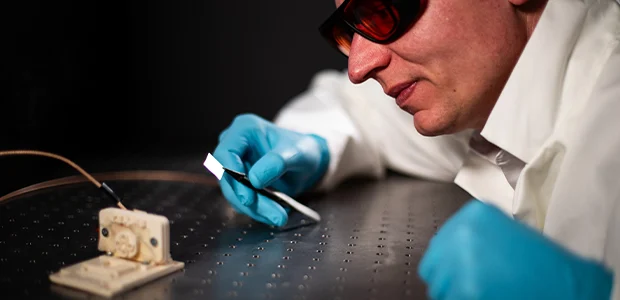
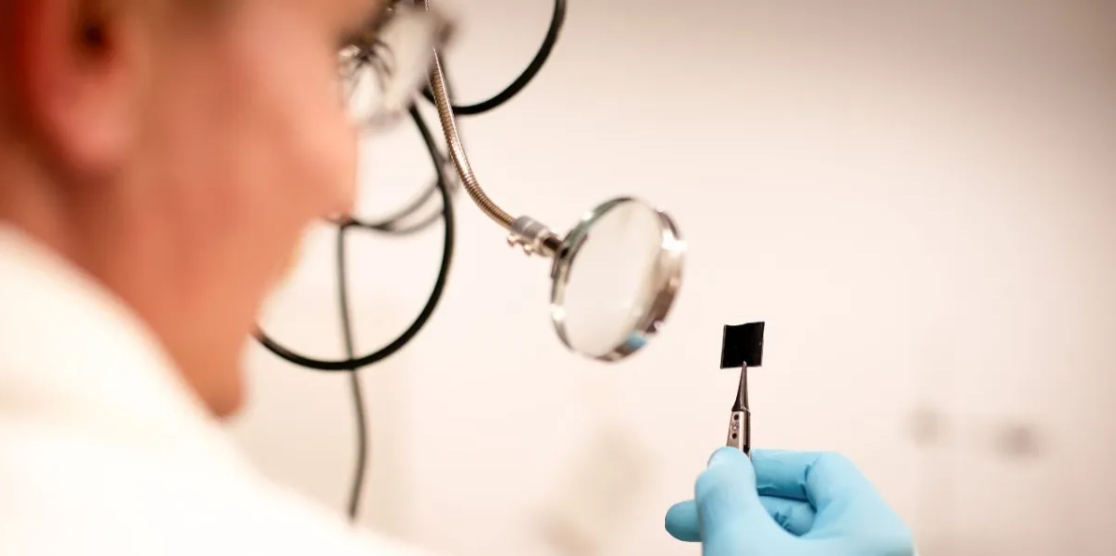
Today, accessing much of that information still requires specialist instruments and laboratory equipment. PhovIR is miniaturising advanced spectroscopy onto semiconductor-scale sensing systems, with the aim of making powerful molecular sensing practical inside everyday products and devices.
Cameras gave devices sight. Microphones gave them hearing. MIEYRA is being developed to give devices a new sense: molecular perception.
Molecular perception turns molecular sensing into information that autonomous systems and people can act on.
AI is moving from the digital world into robots, autonomous systems and everyday devices. To act intelligently in the physical world, these systems need to understand more than images, sound and motion.
MIEYRA adds molecular information as a new layer of perception. By combining advanced spectroscopy with chemometrics and machine learning, spectral data can be turned into actionable information about materials, chemicals, contamination and biological signals.
Giving intelligent systems the ability to understand not just what they can see, but what the world around them is made of.
MIEYRA is designed to bring this capability out of the laboratory and into the physical world, giving autonomous systems a new form of perception while creating a pathway to mass-market deployment through wearables and other intelligent devices.
AI systems mirror human perception. MIEYRA goes further, giving machines molecular information beyond human senses.
Embedded sensing enables robots and autonomous systems to identify materials, chemicals, contamination and hazards in the physical world.
Wearables that provide deeper insight into hydration, recovery, stress and metabolic health.
Future products will move beyond activity and physiological tracking, helping people understand what’s happening inside their bodies using technology they already wear.
Imagine identifying suspicious substances, drink contamination or counterfeit products instantly.
Miniaturised molecular sensing will bring this capability into everyday wearables, helping people make safer decisions using technology they already carry.
Defence and security operators need to detect threats invisible to conventional imaging. Compact multimodal sensing can identify chemicals, hazardous materials and contamination in real time.
Embedded sensing brings molecular intelligence where it’s needed.
Portable spectrometers already exist. But they are typically standalone instruments designed around a single sensing technique. MIEYRA is being developed for something different: molecular sensing small enough, robust and efficient enough to become part of the product itself.
The same core architecture supports NIR, MIR, Raman and multimodal sensing, creating a common platform for applications spanning autonomous systems, wearables and future intelligent devices with architectures designed to reduce sensitivity to movement, meet demanding size and power requirements, whilst being transferable to commercial semiconductor/MEMS foundries for production.
One platform incorporating multiple sensing techniques. Designed around the size, power, performance and manufacturing requirements of future autonomous wearable and portable systems.
The goal is a new generation of intelligent products that can access molecular intelligence everywhere it matters.

Designed for high-volume manufacturing using established semiconductor MEMS and packaging processes.

Combining spectroscopy, chemometrics and machine learning to turn molecular signatures into useful and actionable information. As deployments scale, growing molecular datasets can support better application-specific models and new capabilities.

Small, lightweight and energy-efficient for wearable, portable and autonomous systems.

A growing portfolio of intellectual property designed to enable the next generation of sensing products.
Just as cameras gave electronic devices vision, MIEYRA is designed to give them molecular perception: the ability to understand what something is made of, not simply where it is. Cameras, microphones, GPS and motion sensors evolved from specialist technologies into platforms deployed across the planet.
We believe molecular sensing can follow the same path. Our vision is to bring molecular intelligence into billions of devices.
The result will be intelligent systems that can understand the chemical world around them allowing you to make better decisions, anytime and anywhere.
MIEYRA is a semiconductor-scale molecular sensing platform designed to bring NIR, MIR, Raman and multimodal sensing into mass-market devices.

Miniature MEMS-based infrared spectroscopy. Beta NIR hardware available today. MIR in Q3 2027

Laser-based molecular fingerprinting on silicon. Beta samples Q2 2027

Raman combined with NIR or MIR on a single die. Beta samples Q1 2028
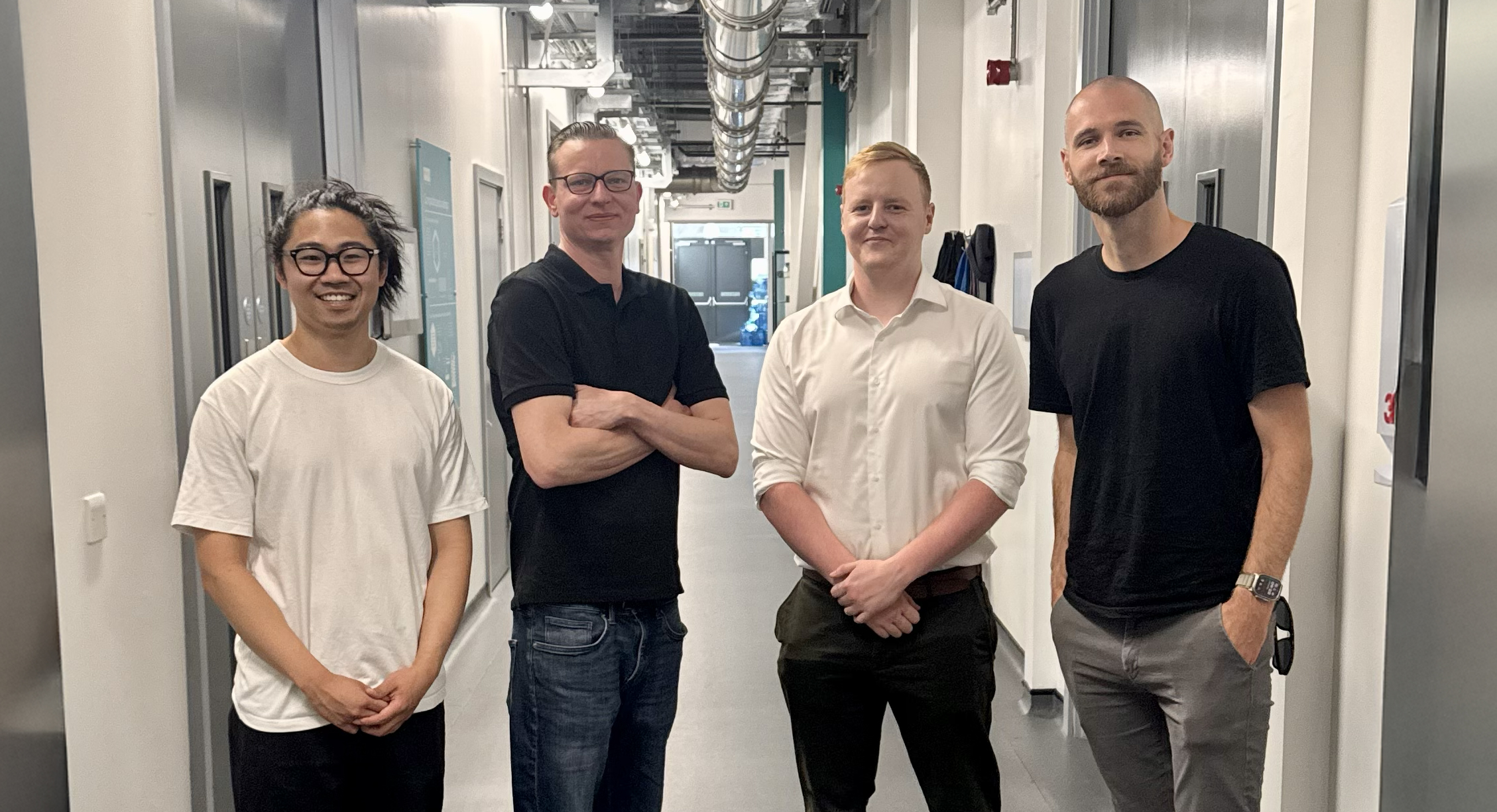
We work with organisations exploring the next generation of intelligent products, wearable technologies, defence systems and sensing platforms.


John represents SCVC (Science Creates Venture Capital) on the PhovIR board. A serial entrepreneur and investor, John is best known as the founder of Kudan, one of the early pioneers in Physical AI and machine perception. Having built and scaled a publicly listed deep-tech company, he brings valuable expertise in venture growth, capital formation, commercialisation, and international expansion.

Khadija Ashfaq is an Investment Director at Northern Gritstone, a leading investor in university spinouts and deep-tech businesses across the North of England. Representing Northern Gritstone on the PhovIR board, she brings extensive experience in evaluating and scaling science-led companies across semiconductors, AI, quantum technologies, and advanced engineering, providing strategic guidance on growth, investment, and commercialisation.
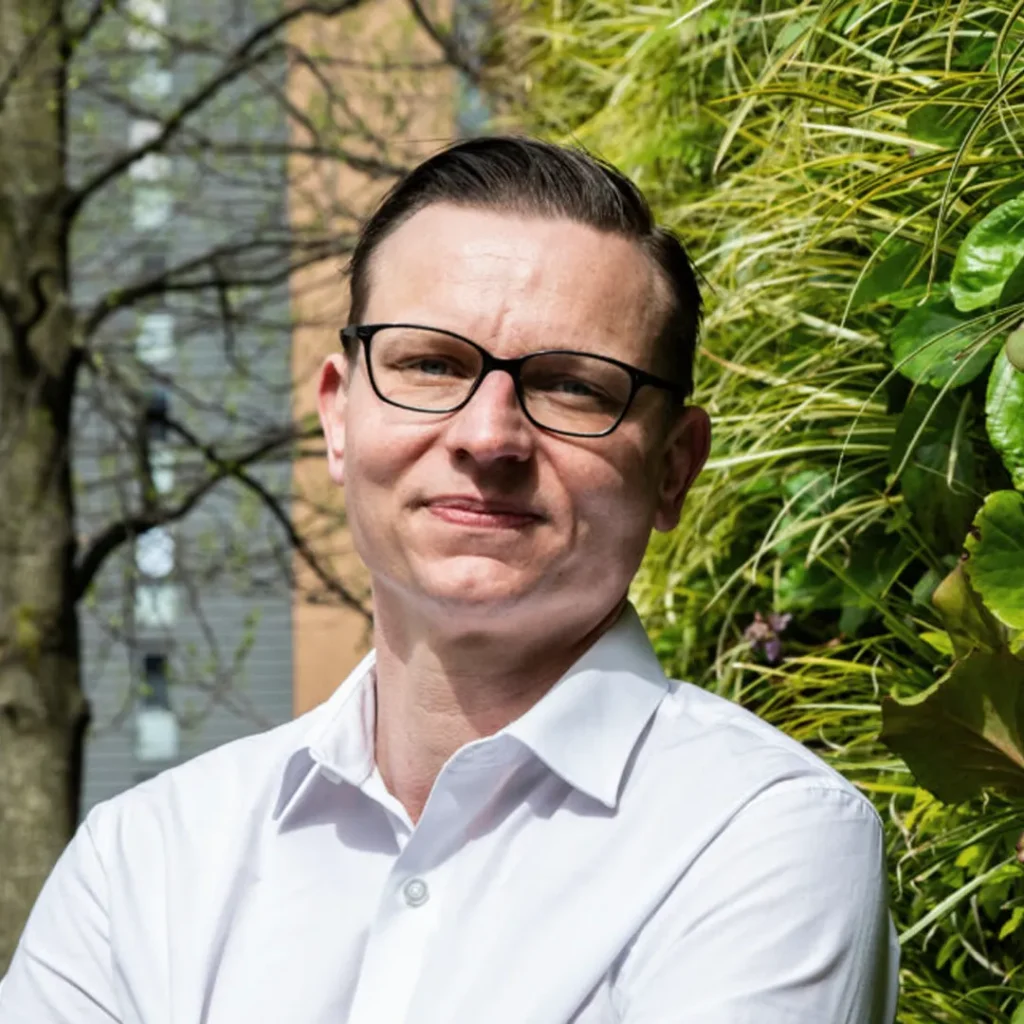
Tim is Founder and CTO of PhovIR Technologies and inventor of the company’s proprietary MIEYRA sensing platform. Combining over 20 years of experience in photonics, semiconductor technologies, MEMS, and advanced materials, Tim brings a rare blend of deep scientific expertise and commercial technology development experience. His career includes roles at Bosch and IMEC, alongside internationally recognised research leadership, providing the foundation for PhovIR’s next generation of optical sensing technologies.
Tim holds a PhD in Engineering from the University of Cambridge and a degree in Electrical Engineering from RWTH Aachen University.
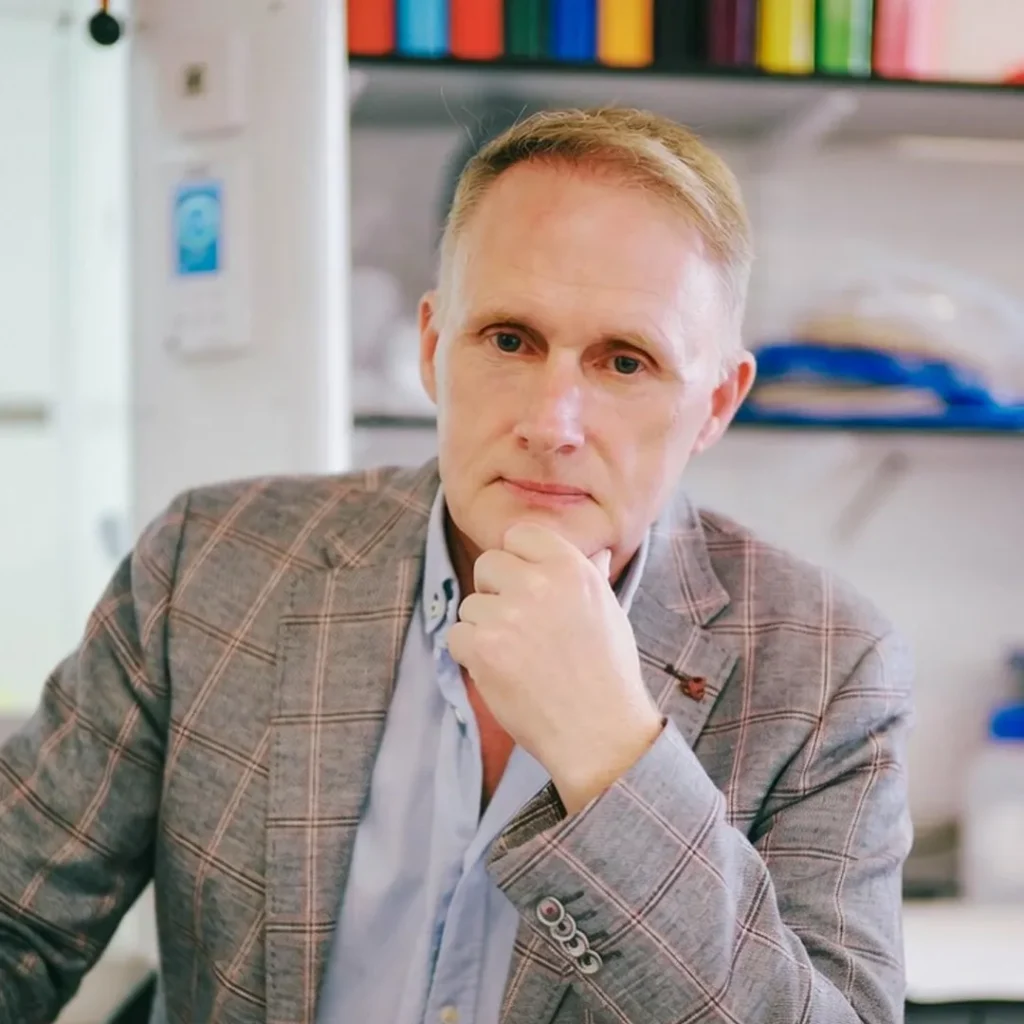
Ben is Chief Executive Officer of PhovIR Technologies and a deep-tech executive with more than 20 years of experience scaling businesses in photonics, advanced materials, and semiconductor technologies.
Prior to PhovIR, Ben led multiple deep-tech companies, including 2D Photonics, where he was responsible for founding, strategy, fundraising, and commercialisation. Across his career, he has helped secure over €250 million in venture investment and government funding.
Ben founded Surrey NanoSystems and led the invention and commercialisation of the globally recognised Vantablack® technology platform. He has built international manufacturing and supply chains across China, Vietnam, and Mexico for automotive applications, alongside technology programmes supporting space and defence markets in Europe and the United States.
An inventor or co-inventor on 28 patents, Ben leads PhovIR’s corporate strategy, investment activities, partnerships, and product commercialisation as the company develops the next generation of optical sensing technologies.